
Choosing the right pull saw can be a challenge for both new and experienced woodworkers. With so many options on the market, it’s easy to feel overwhelmed by differences in blade size, tooth configuration, and handle design—especially when precision and comfort are essential for quality results.
This guide takes the guesswork out of selecting a Japanese-style pull saw. We break down the top models, highlighting their strengths, ideal uses, and what sets each apart. Whether you’re looking for a versatile all-rounder or a specialized flush cut saw, you’ll find clear, practical advice to help you make the best choice for your woodworking projects.


Top 8 Best Pull Saw For Woodworking
Finding the right Best Pull Saw For Woodworking isn’t always straightforward. To simplify the process, we compared leading products and shortlisted the ones that truly stand out.
1. RUITOOL 6-Inch Japanese Double Edge Saw
Precision joinery and finish work often require a saw that can make clean, flush cuts with minimal tear-out. The RUITOOL 6-Inch Japanese Double Edge Saw is purpose-built for these tasks, offering fine control and sharpness in a compact form.
This saw is a strong choice for woodworkers, carpenters, and hobbyists who need to trim dowels, cut joinery, or work in tight spaces. Its double-edged blade handles both rip and cross cuts on various woods.
- Double-edge design: Offers 17 TPI for hardwood and 14 TPI for softwood
- SK5 high-carbon steel blade: Provides durability and flexibility
- Three-sided ground teeth: Enable smooth, fast chip removal
Compared to Western-style saws, this Japanese pull saw prioritizes precision and minimal surface damage. It’s less suited for bulk cutting but excels in detail and finish work.
- Excellent for flush cuts
- Sharp, flexible blade
- Works on hard and softwood
- Compact for tight spaces
- Minimal tear-out
- Not for heavy-duty lumber
- Short blade limits reach
2. SUIZAN Ryoba Double Edge Saw 9.5 Inch
For woodworkers tackling a variety of projects, a saw that can handle both rip and cross cuts on larger pieces is invaluable. The SUIZAN Ryoba Double Edge Saw 9.5" offers a longer blade and traditional Japanese craftsmanship, making it suitable for everything from joinery to furniture making.
This model is a strong option for those who want a professional-grade tool with a generous working area. Its high-quality Japanese steel and hand-wrapped handle reflect attention to detail, while the double-edged blade covers a wide range of cutting needs.
- 9.5-inch blade length: Provides a larger working area for bigger projects
- Japanese steel construction: Ensures razor-sharp, clean cuts
- Double edge (9/15 TPI): Supports both rip and cross cutting tasks
Compared to compact saws, the SUIZAN emphasizes reach and versatility. The tradeoff is a need for assembly and a longer handle, which may be less convenient for very fine or confined work.
- Long blade for larger cuts
- Traditional Japanese craftsmanship
- Double edge for multiple tasks
- Sharp, clean cutting
- Hand-wrapped handle
- Requires assembly
- Handle appearance may vary
3. Husfunov Japanese Hand Saw 6-Inch Double Edge
Extended cutting sessions can cause hand fatigue, especially with hard handles or poorly balanced saws. Comfort is often overlooked in favor of blade quality.
The Husfunov Japanese Hand Saw features an ergonomic, soft grip handle designed to minimize fatigue and maximize control. It's a great choice for beginners and experienced woodworkers who value comfort during longer projects.
- Soft grip ergonomic handle: Reduces strain and improves grip
- Double-edged blade: 17 TPI for hardwood, 11 TPI for softwood
- Flexible SK5 steel blade: Delivers precise, smooth cuts and long-lasting performance
Compared to traditional wooden-handled saws, this model prioritizes user comfort and ease of use. The tradeoff is less traditional styling, which may not appeal to purists.
- Comfortable soft grip
- Flexible and durable blade
- Suitable for various woods
- Easy to control
- Good for beginners
- Less classic appearance
- Not for extra-large cuts
4. KERYE Japanese Pull Saw 9.5-Inch Replaceable Blade

When working with larger boards or needing longer cuts, a short-bladed saw can slow you down and require more effort. Many hand saws are limited by their blade length and cutting efficiency.
The KERYE Japanese Pull Saw features a 9.5-inch blade, offering a larger working area and saving effort on extended cuts. It's ideal for woodworkers and DIYers handling bigger projects or who want to reduce fatigue during repetitive tasks.
- 9.5-inch blade: Covers more area and reduces cutting force needed
- SK5 high carbon steel: Provides hardness and wear resistance for longevity
- Dual-sided teeth: 10 TPI for rough cuts, 17 TPI for fine cuts
Compared to compact saws, this model prioritizes reach and efficiency for large-scale work. The tradeoff is less maneuverability in tight spaces.
- Long blade for big projects
- Replaceable blade design
- Two tooth patterns for versatility
- Durable materials
- Ergonomic handle
- Less suited for fine detail
- Bulkier for small tasks
5. GARTOL 2-Piece Japanese Pull Saw Set
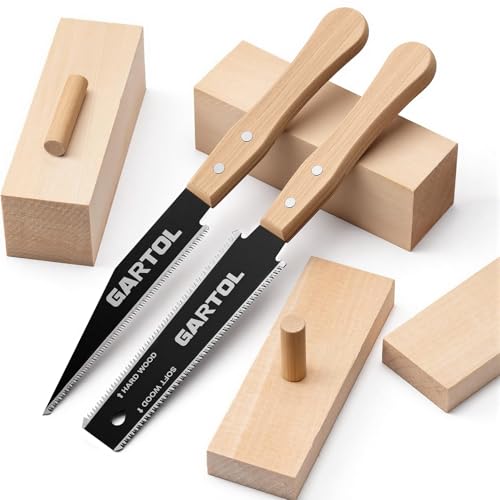
Some projects demand both flush cuts and deeper rip or cross cuts. The GARTOL 2-Piece Japanese Pull Saw Set provides two specialized saws, giving users flexibility for a range of woodworking tasks.
This set is ideal for hobbyists, carpenters, and anyone who values having the right tool for both precision and general cuts. The ergonomic handles and premium blades make it suitable for repeated use on hard and softwood.
- Includes flush cut and Ryoba saws: Covers both detail and general cutting needs
- Flexible SK5 steel blades: Offer durability and clean cuts
- Ergonomic wooden handles: Enhance comfort and control
Compared to single saws, this set prioritizes versatility and value. It’s less compact for carrying, but provides more options for varied woodworking tasks.
- Two saws for different tasks
- Comfortable wooden handles
- Flexible, durable blades
- Good for detail and rip cuts
- Easy to store
- Not for metal or PVC
- Set takes more storage space
6. SUIZAN Flush Cut Saw 5 Inch Ryoba

For intricate trim work and flush cutting in tight spaces, a small, precise saw is essential. The SUIZAN Flush Cut Saw 5" is designed for maximum maneuverability, making it ideal for detail-oriented tasks where space is limited.
This saw is a strong option for woodworkers who frequently work on small joinery, dowels, or delicate finishing. Its Japanese steel blade ensures sharpness, while the ultra-compact size allows for easy handling in confined areas.
- 5-inch blade length: Perfect for precision flush cuts in small spaces
- Japanese steel blade: Delivers sharp, clean results
- Double edge design: Adapts to both hardwood and softwood
Compared to larger saws, the SUIZAN 5" prioritizes compactness and fine control. The tradeoff is a limited cutting capacity, making it less suitable for general-purpose or large-scale work.
- Ultra-compact for tight spaces
- Sharp Japanese steel blade
- Double edge for versatility
- Lightweight and easy to use
- Ideal for trim and dowels
- Not for large cuts
- Blade not replaceable
7. Temple Tool Co. Japanese Flush Cut Saw 6-Inch

Precision flush cutting often requires a comfortable, well-balanced tool, especially for extended sessions. Many saws lack ergonomic or aesthetic appeal, which can affect user experience.
The Temple Tool Co. Japanese Flush Cut Saw combines a solid beech wood handle with brass accents, offering both beauty and function. It's best for woodworkers who appreciate craftsmanship and want a saw that feels as good as it looks.
- Premium beech and brass handle: Enhances grip and visual appeal
- Japanese steel blade: Maintains sharpness for clean, accurate cuts
- Pull-stroke design: Allows for thin, lightweight blade and smooth operation
Compared to standard flush cut saws, this model prioritizes handle quality and aesthetics. The main tradeoff is a higher price for the premium finish.
- Elegant beech wood handle
- Brass accents for durability
- Made in Japan
- Smooth pull-stroke action
- Suitable for all skill levels
- Premium price point
- Not ideal for large boards
8. Frocopo Hand Saw 6 Inch Double Edge

For those who need to make curved cuts without fatigue, a lightweight hand saw is invaluable. Heavy or bulky saws can quickly tire your hand, especially during extended use or delicate work.
The Frocopo Hand Saw offers a remarkably light build at just 2.82 ounces, making it easy to maneuver for precise, controlled cuts. Its double-edged blade provides both coarse and fine teeth, giving flexibility for rough shaping or smooth finishing. This saw is ideal for DIYers and hobbyists who want a portable, easy-to-use tool for various wood projects.
- Ultra-lightweight design: Reduces hand fatigue during long sessions or repetitive cuts
- Double-edged blade: 11 TPI for quick cuts, 17 TPI for fine finishes
- Premium SK5 steel: Ensures durability and sharpness for consistent results
Compared to heavier saws, the Frocopo prioritizes comfort and ease of use, especially for smaller hands or intricate work. The main limitation is that it may not be as robust for heavy-duty or thick material cutting.
- Extremely lightweight
- Double-edged for versatility
- Ergonomic wooden handle
- Sharp triple-ground teeth
- Lifetime warranty
- Less suited for thick stock
- Not for heavy-duty tasks
Buying Guide: How to Choose the Best Pull Saw for Woodworking
Japanese-style pull saws are precision tools designed for clean, controlled cuts in woodworking. Choosing the right pull saw involves balancing blade size, tooth configuration, handle comfort, and versatility. Many buyers assume all pull saws are interchangeable, but differences in blade length, edge type, and ergonomics can significantly impact results and user experience.
- Double-edged vs. single-purpose saws: Some saws offer both rip and crosscut edges, while others specialize in flush cutting
- Blade length matters: Longer blades (9–9.5 inches) are better for large panels, while 5–6 inch blades excel in tight spaces and detail work
- Handle design impacts comfort: Ergonomic soft grips reduce fatigue, while traditional wood handles provide classic feel and control
- Replaceable vs. fixed blades: Replaceable blades extend tool life but may add cost; fixed blades are simpler but require full replacement when dull
- Material quality: SK5 steel and Japanese steel are common for durability and sharpness
- Set vs. single saw: Multi-piece sets offer versatility but may sacrifice specialization
- Common misunderstanding: Many assume all pull saws are equally suited for every task; in reality, blade size and tooth pattern should match your typical projects
Choosing Between Compact and Large Blade Saws
Blade length is a key decision point. Compact saws (5–6 inches) are ideal for flush cuts, small joinery, and working in confined spaces. Larger blades (9–9.5 inches) provide more reach and efficiency for cutting bigger stock or making longer cuts.
- Compact saws: Best for trim, dowels, and detailed work
- Large blade saws: Better for furniture, cabinetry, and general-purpose cutting
Handle Comfort and Ergonomics
Handle design can make a big difference in user comfort, especially during long sessions. Soft grip handles minimize fatigue, while traditional wood or rattan handles offer a classic feel and better control for some users.
- Soft grip handles: Good for beginners and extended use
- Wooden handles: Preferred by those seeking traditional aesthetics and tactile feedback
Double-Edge vs. Flush Cut Specialization
Double-edged saws provide flexibility for both rip and cross cuts, making them versatile for a range of tasks. Flush cut saws are specialized for trimming dowels, tenons, and pegs flush to a surface, offering maximum precision in finishing work.
- Double-edge saws: Versatile for multiple cut types
- Flush cut saws: Best for trim and finish work
Replaceable Blades and Tool Longevity
Some saws feature replaceable blades, which can extend the tool's lifespan and maintain sharpness over time. This is especially useful for frequent users who want to avoid replacing the entire saw when the blade dulls.
- Replaceable blades: Cost-effective for heavy users
- Fixed blades: Simpler, but require full replacement when worn
Final Buying Advice
Selecting the best pull saw comes down to matching the tool to your typical projects and comfort preferences. Avoid overbuying features you won't use, but don't underestimate the value of a comfortable handle or a blade size suited to your work.
- Match blade length to your project size
- Choose handle style for comfort and control
- Consider double-edge saws for versatility
- Opt for replaceable blades if you use your saw frequently
- Don't assume one saw fits all tasks—specialization matters for best results
FAQ For Best Pull Saw For Woodworking
1. What is the main advantage of a Japanese pull saw over a Western push saw?
2. How do I choose the right blade length for my woodworking projects?
3. What does TPI mean and why does it matter?
4. Are replaceable blade saws worth the investment?
5. Can one pull saw handle all woodworking tasks?
6. How should I care for and maintain my pull saw?
Related Posts
- Best Solar Powered House Numbers: Top 9 Picks
- Best Pole Saw For Tree Trimming
- Best Dual Bevel Sliding Miter Saw
- Best Wet Saw Tile Cutter
- Best Power Outage Lights: Top 7 Picks
- Top 6 Best Basement Electrical Wiring
- Best Power Sander For Drywall: Top 8 Picks
- Best Saw For Flooring: Top 7 Picks
- Top 5 Best Cordless Wet Dry Vac
- Best Hand Saws For Cutting Trees
- Top 6 Best Impact Wrench For Changing Tires
- Best Gas Powered Trimmer Edger Combo: Top 10 Picks
- Best Portable Saw Horses
- Top 7 Best Drill Ice Auger
- Best Saw For Cutting Pvc Panels: Top 6 Picks
- Top 9 Best Electric Heat Pump
- Best Hand Saw To Cut 2×4
- Best Angle Grinder Disc For Cutting Metal
- Top 10 Best Miter Saw Blade For Fine Cuts
- Top 6 Best Grinder Disc For Sharpening Mower Blades