
Concrete floors are durable, but without the right protection, they can quickly show signs of wear, staining, and moisture damage. Whether you’re finishing a garage, basement, or workshop, choosing the right polyurethane or sealer is essential to keep your floors looking clean and lasting longer.
This guide reviews the best polyurethane and related coatings for concrete floors, comparing water-based, solvent-based, and specialty options. We’ll help you understand which product is best for your needs—whether you want a glossy finish, easy application, or long-term protection—so you can make a confident, informed decision.


Our Top 9 Best Polyurethane For Concrete Floors Picks
Whether you’re buying your first Polyurethane For Concrete Floors or replacing an old one, we compared trusted options to help you make an informed choice.
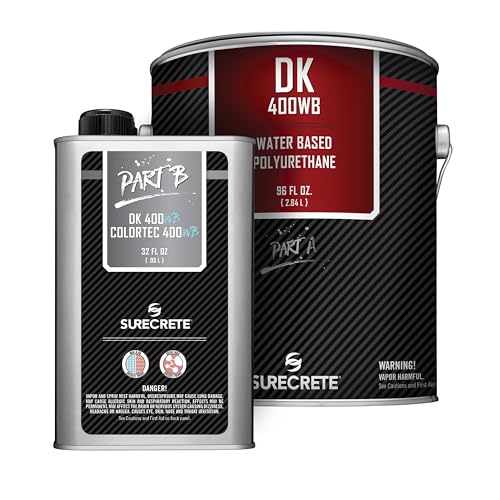
1. Surecrete DK 400WB Water-Based Satin Polyurethane
Protecting interior concrete floors from daily wear and tear is a challenge for busy homes and commercial spaces. A reliable polyurethane coating helps prevent stains, scuffs, and moisture damage, preserving both appearance and longevity.
Surecrete DK 400WB stands out for its broad coverage and low-VOC formula, making it a solid choice for garages, showrooms, and living spaces. It’s especially well-suited for those seeking a clear satin finish that doesn’t overpower the natural look of concrete.
- Up to 400 sq. ft. per gallon: Covers large areas efficiently, reducing the need for multiple cans.
- Low VOC, water-based formula: Safer for indoor use and easier on air quality during application.
- Versatile application: Works on both new and old concrete, as well as overlays and interior walls.
Compared to traditional solvent-based polyurethanes, this product prioritizes ease of use and indoor safety. The main tradeoff is that it’s best suited for interior use rather than high-exposure outdoor areas.
- Large coverage per gallon
- Low VOC for indoor safety
- Clear satin finish
- Works on old or new concrete
- Suitable for residential and commercial spaces
- Not ideal for exterior use
- Requires proper surface prep
2. SIKA Sikaflex Self-Leveling Concrete Sealant
Cracked or uneven expansion joints can let in water and cause long-term damage to garage floors. A quality self-leveling sealant is essential for sealing gaps quickly and reliably, preventing moisture infiltration and future repairs.
SIKA Sikaflex is a go-to for those needing a fast-curing, easy-to-apply sealant for driveways, garages, and sidewalks. Its self-leveling formula ensures a smooth, even finish with minimal effort, making it a strong choice for both DIYers and professionals seeking efficient results.
- Quick curing time: Tack-free in hours, fully cured in less than a week
- Waterproof and elastic: Protects against moisture and adapts to movement
- Narrow tip for precision: Allows accurate application in tight joints
Unlike thicker or slower-curing alternatives, Sikaflex prioritizes speed and ease of use. The main tradeoff is that it’s best suited for sealing rather than large-scale resurfacing or leveling.
- Fast curing process
- Easy, precise application
- Waterproof after curing
- Flexible and durable
- Paintable and sandable
- Not for full floor resurfacing
- Limited to joint and crack sealing
3. DOMINATOR Water-Based Penetrating Concrete Sealer
Outdoor concrete is vulnerable to cracking, spalling, and staining from water and the elements, making long-term protection essential for driveways, patios, and walkways. Penetrating sealers like this one help prevent costly repairs by keeping moisture and contaminants out.
DOMINATOR stands out for its truly invisible finish—there’s no sheen, film, or color change, so your concrete, pavers, or stone retain their natural look. It’s ideal for homeowners who want robust outdoor protection without altering the appearance of their surfaces.
- Silane Siloxane Technology: Bonds below the surface for deep, lasting waterproof protection
- Zero Sheen, Zero Film: Preserves the original look of concrete, pavers, and stone
- Fast, Easy Application: Water-based, low odor, and safe for families and pets
Compared to typical film-forming sealers, DOMINATOR prioritizes invisible, maintenance-free protection and easy DIY use. The tradeoff is that it won’t provide a glossy or wet-look finish for those seeking a decorative effect.
- Invisible finish
- Water-based and low odor
- Works indoors and outdoors
- Fast drying
- Easy spray application
- No gloss or wet look
- Not for decorative enhancement
4. Sienna Studios Matte Acrylic-Polyurethane Sealer

Concrete crafts and small surfaces require a protective finish that won’t yellow or overwhelm delicate details. Acrylic-polyurethane blends provide clarity and water resistance for decorative pieces and porous surfaces.
Sienna Studios’ matte sealer is a strong choice for hobbyists and DIYers working on cement crafts, planters, or accent pieces. It’s ideal for those who want a subtle, non-glossy finish that protects without altering the look.
- Water-based acrylic formula: Delivers durability and water resistance with minimal odor.
- Matte, non-toxic finish: Keeps crafts looking natural and safe for indoor use.
- Designed for porous surfaces: Enhances longevity of small concrete and cement items.
Compared to heavy-duty floor coatings, this product prioritizes ease of use and a gentle finish. The tradeoff is that it’s not intended for large-scale or high-traffic floor protection.
- Matte, natural finish
- Non-toxic and low odor
- Great for crafts and decor
- Easy to apply
- Water-resistant
- Not for large floors
- Limited durability for heavy use
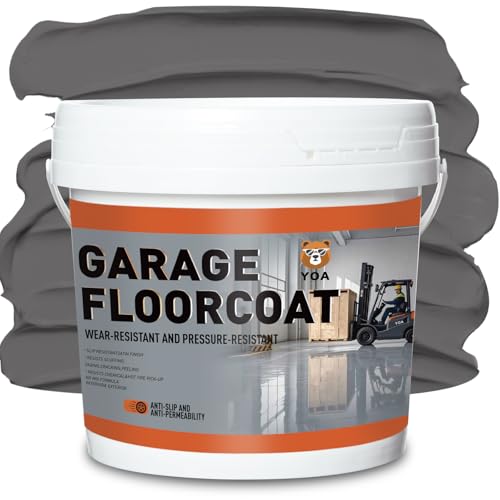
5. YOA Professional Epoxy Floor Coating, Medium Gray
Floors in garages, basements, and workshops often need a coating that can handle various surfaces and resist scratches. Epoxy coatings are known for their toughness and ability to bond to more than just concrete.
YOA’s professional epoxy floor coating is a versatile solution for those looking to refresh and protect multiple indoor surfaces, including wood, metal, and brick. It’s best for users who want a ready-to-use, low-VOC product in a modern matte gray finish.
- Covers up to 150 sq. ft. per gallon: Suitable for small to medium projects with a single can.
- Single-component, no mixing: Simplifies application for DIYers and professionals alike.
- Low VOC, matte finish: Safer for indoor use and delivers a contemporary look.
Compared to traditional multi-part epoxies, this product emphasizes convenience and versatility. The main tradeoff is that coverage per gallon is lower than some alternatives, making it less ideal for very large areas.
- Works on multiple surfaces
- No mixing required
- Low VOC for indoor use
- Matte finish
- Scratch-resistant
- Lower coverage per gallon
- Limited color options
6. EcoProCote Eco-Poly Non-Toxic Polyurethane Sealer

When indoor air quality and environmental impact are top concerns, traditional polyurethanes may not fit the bill. A non-toxic, low-odor sealer allows for safer application in homes, schools, and sensitive environments.
EcoProCote Eco-Poly is crafted for those prioritizing health and sustainability, offering plant-based, water-based protection for concrete, wood, and masonry. It’s a smart pick for families and anyone seeking a quick-drying, low-impact finish.
- Plant-based, water-based formula: Reduces toxic off-gassing and environmental footprint.
- Quick-dry technology: Speeds up project completion and reduces downtime.
- Multiple finish options: Available in clear gloss, matte, and satin to match your design needs.
Compared to conventional sealers, EcoProCote prioritizes safety and eco-friendliness. The tradeoff is that it may require more frequent reapplication in high-wear areas.
- Low odor and non-toxic
- Plant-based ingredients
- Quick drying
- Multiple finish choices
- Safe for indoor use
- May need more frequent recoating
- Not as heavy-duty as some alternatives
7. SIKA Sikaflex Concrete Fix Elastic Sealant

Cracks and gaps in concrete, brick, or stucco can lead to drafts, water damage, and structural issues. An elastic sealant provides strong adhesion and flexibility, accommodating movement without cracking.
SIKA Sikaflex Concrete Fix is ideal for sealing joints and cracks in a variety of construction materials, making it a go-to for both indoor and outdoor repairs. It’s best for users who need a reliable, easy-to-apply product that fits standard applicator guns.
- Exceptional adhesion and elasticity: Maintains bonds even with joint movement up to 35%.
- Multi-material compatibility: Attaches to concrete, brick, stucco, and more for broad utility.
- Meets federal and industry standards: Ensures quality and durability for peace of mind.
Compared to rigid fillers, this sealant prioritizes flexibility and adaptability. The tradeoff is that it’s not designed for full floor coverage, but rather for targeted repairs.
- Strong, flexible bonding
- Works on many materials
- Fits standard applicator guns
- Weather-resistant
- Industry-standard quality
- Not for full floor coating
- Requires cartridge gun
8. VPD High-Gloss Polymer Floor Finish and Polish

For those who want their concrete floors to stand out with a high-gloss, wet-look finish, a polymer floor coating offers both visual impact and protection. This type of finish is especially popular in garages, workshops, and commercial spaces.
VPD’s High-Gloss Floor Finish is designed for users seeking a quick-curing, slip-resistant, and easy-to-maintain coating. It’s a great fit for DIYers and professionals who want a flexible, recoatable finish that resists oil and scuffs.
- Showroom-quality high-gloss: Delivers a striking, reflective finish for a polished look.
- Quick-curing formula: Reduces downtime and allows for faster use of the space.
- Multi-surface compatibility: Works on concrete, vinyl, wood, and more for broad application.
Compared to matte or invisible sealers, this product prioritizes aesthetics and ease of maintenance. The tradeoff is that high-gloss finishes may show scratches or imperfections more readily.
- High-gloss, wet-look finish
- Slip-resistant surface
- Fast curing
- Recoatable without stripping
- Multi-surface use
- Requires multiple coats on unsealed floors
- Gloss may highlight imperfections
9. Surecrete DK 400WB Water-Based Satin Polyurethane (2)

Maintaining a uniform satin finish across large interior spaces can be difficult with some coatings. A water-based polyurethane designed for even coverage helps ensure a smooth, professional appearance.
This Surecrete DK 400WB variant is ideal for users who want a reliable satin look for garages, retail spaces, or residential interiors. It’s best for those seeking a balance between durability and a subtle, non-glossy finish.
- Covers up to 400 sq. ft. per gallon: Efficient for large projects with minimal product waste.
- Low VOC, clear satin formula: Safer for indoor use and maintains a natural concrete appearance.
- Suitable for new or old surfaces: Versatile for renovations and new installations alike.
Compared to high-gloss or matte options, this product focuses on delivering a consistent satin sheen. The tradeoff is that it may not provide the dramatic shine some users seek.
- Uniform satin finish
- Large coverage area
- Low VOC for indoor use
- Works on various surfaces
- Good for commercial and residential
- Not for high-gloss needs
- Surface prep required
Buying Guide: How to Choose the Best Polyurethane for Concrete Floors
Polyurethane and related coatings for concrete floors come in a variety of formulations, each with unique strengths and tradeoffs. Choosing the right product means balancing durability, appearance, ease of application, and compatibility with your space. Many buyers are surprised by how much the finish, application method, and level of protection can vary between products—even within the same category.
- Water-based polyurethanes: Offer low odor, easier cleanup, and are safer for indoor use, but may require more frequent recoating in high-traffic areas.
- Epoxy coatings: Provide heavy-duty, seamless protection and a high-gloss finish, ideal for garages and commercial spaces, but require more surface prep and careful application.
- Penetrating sealers: Protect concrete from within without changing its appearance, making them great for outdoor use or natural looks, but they don’t add shine or color enhancement.
- Acrylic-polyurethane blends: Best for crafts and small projects, offering water resistance and clarity on decorative items, but not suited for large floors.
- Elastic sealants: Designed for sealing cracks and joints rather than coating entire floors, providing flexibility and weather resistance.
- Finish options matter: Satin, matte, and high-gloss finishes each create a different look and feel—choose based on your style and maintenance preferences.
- Coverage and application: Some products cover more area per gallon or kit, impacting cost and convenience. Single-component formulas are easier for DIYers, while multi-part kits may offer more durability.
- Misunderstandings: Many assume all sealers add shine or color—penetrating types do not. Others expect all products to be suitable for both indoor and outdoor use, but VOC levels and durability vary widely.
Choosing Between Water-Based, Epoxy, and Penetrating Sealers
The main decision for most buyers is whether to prioritize ease of use, maximum durability, or invisible protection. Water-based polyurethanes are user-friendly and safer indoors, while epoxy kits deliver unmatched toughness for garages and workshops. Penetrating sealers are best for those who want protection without altering the concrete’s appearance.
- Water-based polyurethanes: Great for living spaces and interiors where odor and air quality are concerns.
- Epoxy kits: Best for heavy-duty, high-traffic areas where longevity is key.
- Penetrating sealers: Ideal for outdoor surfaces or when you want to maintain a natural look.
Finish and Appearance: Gloss, Satin, or Matte?
The finish you choose affects both the look and maintenance of your floor. High-gloss finishes create a polished, reflective surface but may show scratches more easily. Satin finishes offer a subtle sheen that hides imperfections, while matte finishes provide a natural, understated look.
- High-gloss: Best for showrooms and spaces where aesthetics are a priority.
- Satin: Good balance between shine and practicality.
- Matte: Low-maintenance and hides wear well.
Application and Project Size
Consider your comfort level with application and the size of your project. Single-component, water-based products are easiest for DIYers, while multi-part epoxies require more prep but deliver professional results. Coverage per gallon or kit can vary, so check product specs to avoid running short.
- DIY-friendly options: Look for products that require no mixing and have clear instructions.
- Large projects: Choose high-coverage or multi-gallon kits to save time and money.
Safety, Odor, and Environmental Impact
If you’re working indoors or in sensitive environments, low-VOC and non-toxic formulas are important. Plant-based and water-based products minimize odors and off-gassing, making them safer for homes with children or pets.
- Low-VOC/eco-friendly: Prioritize these for indoor projects or if air quality is a concern.
- Traditional formulas: May offer more durability but require better ventilation during application.
Final Buying Advice
Choosing the right polyurethane or sealer for your concrete floor depends on your priorities—whether it’s durability, appearance, ease of use, or environmental safety. Take the time to match the product type to your specific needs and space.
- Don’t overbuy: Heavy-duty epoxies are unnecessary for low-traffic interiors.
- Don’t underbuy: Light sealers won’t last in garages or commercial spaces.
- Match finish to use: Gloss for show, matte or satin for practicality.
- Check coverage: Ensure you have enough product for your square footage.
- Prioritize safety: Use low-VOC or non-toxic options for indoor projects.
FAQ For Polyurethane For Concrete Floors
1. What is the difference between polyurethane and epoxy for concrete floors?
2. How do I choose between a gloss, satin, or matte finish?
3. Can I use a penetrating sealer on colored or stamped concrete?
4. Are water-based polyurethanes safe for indoor use?
5. How often do I need to reapply a concrete floor sealer?
6. Do I need to prepare my floor before applying a sealer or coating?
7. Can I apply these products myself or do I need a professional?
Related Posts
- Best Heavy Duty Dolly: Top 8 Picks
- Best Smartlock For Airbnb
- Best Taser For Women S Protection
- Best Budget Multi Process Welder
- Best Filler For 3d Prints
- Best Caulk For Toilet Base: Top 10 Picks
- Best Finish For Outdoor Wood Table
- Best Glue To Bond Metal: Top 8 Picks
- Best Superglue For Plastic: Top 6 Picks
- Top 10 Best Tactical Flashlight For Self Defense
- Best Battery Operated Closet Light: Top 10 Picks
- Best Construction Work Gloves
- Top 9 Best Height For Work Bench
- Best Tub Shower Conversion Costs Options Newark Oh: Top 9 Picks
- Best Sandpaper For Paint Removal: Top 10 Picks
- Top 7 Best Adhesive For Pvc
- Best Single Mode Flashlight
- Best Ventless Garage Heater
- Best Heat Pump Resistance Heating Which Is More Efficient Your: Top 6 Picks
- Top 6 Best Glue For Foam Insulation Board