
Choosing the right underlayment for concrete is essential for a successful flooring installation. Whether you’re dealing with moisture, cracks, or uneven surfaces, the wrong choice can lead to long-term issues like tile failure, water damage, or uncomfortable floors.
This guide reviews the top underlayment products for concrete, comparing their strengths, limitations, and best-use scenarios. You’ll find practical advice for selecting the right type—whether you need self-leveling, uncoupling, vapor barriers, or general-purpose solutions—so you can confidently match your project requirements.


Our Top 7 Best Underlayment For Concrete Recommendation
To save you time and guesswork, we researched and compared top-rated Underlayment For Concrete products and selected the best options available today.
1. Ardex V 1200 Self-Leveling Underlayment, 50 lbs
Uneven or damaged concrete floors can cause problems for any new flooring installation, from tiles to vinyl. A self-leveling underlayment is crucial for creating a smooth, stable base that prevents future issues.
Ardex V 1200 is a strong choice for those who need a reliable, crack-resistant surface in high-traffic areas. Its fast-setting formula is ideal for homeowners and professionals looking to minimize downtime and achieve consistent results.
- Self-leveling formula: Flows smoothly for a perfectly level surface with minimal effort
- Quick flooring readiness: Ready for installation in just 24 hours, reducing project delays
- Multi-surface compatibility: Works on concrete, terrazzo, ceramic, quarry tile, and epoxy coatings
Compared to standard patching compounds, Ardex V 1200 prioritizes ease of use and fast turnaround. The main tradeoff is that it is best suited for interior applications rather than exterior or wet environments.
- Levels uneven floors
- Fast 24-hour cure time
- Crack-resistant surface
- Works on multiple substrates
- Ideal for high-traffic areas
- Interior use only
- Requires mixing and pouring
2. Vivlly Uncoupling Membrane 323 Sq Ft Roll
Bathroom floors can be vulnerable to both moisture and substrate movement, which can lead to cracks and long-term damage. An uncoupling membrane helps absorb movement and blocks water at the same time.
The Vivlly Uncoupling Membrane offers a large, cut-to-fit roll that works for tile, stone, and even walls or saunas. Its high-density construction is ideal for homeowners seeking a versatile, all-in-one solution for a variety of wet areas.
- 323 sq ft roll covers large projects or multiple rooms
- HDPE and PP textile provide strength and cushioning
- 1/8 inch thickness balances flexibility and protection
Compared to basic vapor barriers, this membrane prioritizes versatility and movement absorption. The tradeoff is a higher upfront investment and a learning curve for first-time installers.
- Very large coverage area
- Absorbs substrate movement
- Strong moisture barrier
- Works on floors and walls
- Cut-to-fit grid for easy sizing
- Higher cost for small projects
- Requires careful installation
3. Vivlly Uncoupling Membrane Contractor Roll
Tiling large shower floors or multiple wet areas over concrete can lead to cracking and moisture issues if not properly protected. An uncoupling membrane acts as a barrier, preventing stress transfer and water infiltration.
The Vivlly Uncoupling Membrane Contractor Roll covers up to 500 sq ft, making it ideal for contractors or homeowners tackling extensive tiling projects. It's best for those who need to waterproof and protect large surfaces efficiently.
- 500 sq ft roll size minimizes seams and speeds up installation
- Waterproof and vapor barrier protects subfloors from moisture
- Anti-fracture design reduces tile cracking over moving substrates
Compared to smaller rolls or basic liners, this membrane prioritizes coverage and crack isolation, but requires proper thin-set installation for best results.
- Covers large areas efficiently
- Reduces tile cracking
- Works with heated floors
- Waterproofs concrete and wood
- Requires thin-set mortar
- Not a finished shower surface
4. GTDsupply Ardex SD-M Designer Floor Finish

When you want to upgrade the look of a concrete floor without full replacement, a finishing underlayment offers a cost-effective solution. It can transform dull surfaces into attractive, durable floors.
GTDsupply Ardex SD-M is ideal for those seeking a polished concrete appearance in showrooms, offices, or residential spaces. Its self-drying formula and thin application make it suitable for quick renovations.
- Cement-based decorative finish: Delivers a polished look with durability
- Self-drying technology: Speeds up installation and reduces downtime
- Strong bond strength: Resists cracking and supports heavy foot traffic
Compared to standard self-levelers, this product prioritizes aesthetics and surface finish. The tradeoff is that it is best for interior decorative use rather than heavy structural repairs.
- Polished concrete appearance
- Quick drying
- Thin resurfacing layer
- Strong adhesion
- Suitable for commercial interiors
- Not for exterior use
- Requires surface prep
5. Ardex K 301 Exterior Self-Leveling Topping

Outdoor concrete surfaces face unique challenges, including freeze-thaw cycles and heavy use. An exterior self-leveling topping helps restore and protect patios, balconies, and driveways.
Ardex K 301 is formulated for both exterior and interior use, making it a versatile option for resurfacing worn or uneven concrete. Its high-strength blend and freeze-thaw resistance are valuable for demanding environments.
- Exterior-grade formula: Withstands weather and wet conditions
- Variable thickness application: Installs from 1/4" to 2" with aggregate
- Freeze-thaw resistance: Suitable for balconies, driveways, and light-industrial floors
Compared to interior-only self-levelers, this product prioritizes outdoor durability. The tradeoff is that it requires more careful mixing and may not be necessary for indoor-only projects.
- Handles outdoor conditions
- Wide application thickness
- High early strength
- Freeze-thaw resistant
- Works on multiple substrates
- Requires aggregate for thick pours
- Not decorative
6. Roly Poly Plastic Sheeting 4 MIL Black, 10x100 ft
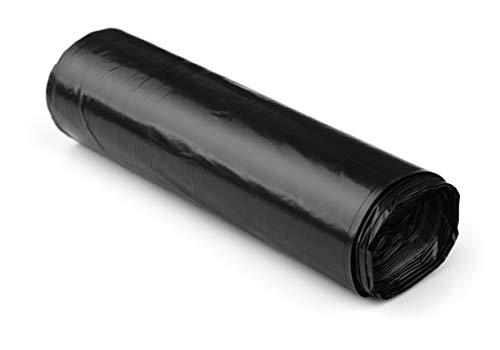
Moisture from concrete slabs can damage flooring and lead to mold or mildew. A plastic sheeting barrier is a simple, affordable way to block vapor and protect your investment.
Roly Poly's 4 MIL black plastic sheeting is a multipurpose solution for those seeking basic moisture protection on a budget. It's easy to roll out and cut for use under flooring or as a temporary barrier.
- 4 MIL thickness: Provides water resistance for indoor and outdoor use
- Multi-purpose design: Functions as a vapor barrier, drop cloth, or temporary wall
- Large roll size: Covers up to 1,000 sq ft for big or multiple projects
Compared to specialized membranes, this sheeting prioritizes affordability and versatility. The tradeoff is less cushioning and movement absorption compared to premium underlayments.
- Low-cost moisture barrier
- Covers large areas
- Easy to cut and install
- Indoor/outdoor use
- Multipurpose applications
- No crack isolation
- Minimal cushioning
7. Ardex SD-M Designer Floor Finish, Self-Drying

Aging or stained concrete floors can detract from a room's appearance. A thin, trowelable finishing underlayment offers a fast way to refresh surfaces without major construction.
Ardex SD-M is well-suited for residential and commercial interiors where a decorative, durable finish is desired. Its self-drying formula minimizes downtime and supports quick project turnaround.
- Thin resurfacing layer: Applies easily over prepared concrete
- Self-drying formulation: Reduces wait times for finishing
- Strong bond strength: Withstands heavy foot traffic and resists cracking
Compared to thicker self-levelers, this product prioritizes minimal buildup and decorative finish. The tradeoff is that it is not intended for structural repairs or exterior use.
- Decorative finish
- Quick installation
- Thin application
- Resists cracking
- Good for interiors
- Not for outdoor use
- Requires surface preparation
Buying Guide: How to Choose the Best Underlayment for Concrete
Underlayment for concrete is a technical category that directly impacts the longevity and performance of your flooring. Buyers must weigh factors like moisture control, crack prevention, and compatibility with different floor types. It's easy to overlook the specific needs of your project or to assume that any underlayment will do, but the right choice depends on your environment, flooring material, and installation method.
- Self-leveling underlayments: Provide a smooth, even surface for new flooring; best for correcting uneven or damaged concrete
- Uncoupling membranes: Absorb movement and prevent cracks in tile or stone installations; essential for wet or high-traffic areas
- Plastic sheeting/vapor barriers: Offer basic moisture protection; affordable but lack cushioning or crack isolation
- Finishing compounds: Used for decorative or thin resurfacing; ideal for upgrading the look of existing concrete
- Vertical patching compounds: Designed specifically for repairing and finishing concrete walls, not floors
- Coverage area: Larger rolls or bags are more efficient for big projects; smaller sizes reduce waste for single rooms
- Moisture control: Critical for bathrooms, basements, and kitchens; not all products offer waterproofing or vapor barriers
- Installation method: Some products require mixing and pouring, others need thin-set or adhesive, and some are simply rolled out
- Tradeoff between cost and performance: Budget options may lack advanced features like crack isolation or cushioning
- Common misunderstanding: Assuming all underlayments provide both moisture and crack protection—many do not
Choosing Between Self-Leveling and Uncoupling Products
The main decision for most buyers is whether to prioritize a perfectly level surface or crack and moisture protection. Self-leveling underlayments are best for smoothing uneven slabs, while uncoupling membranes are essential for tile installations where movement and moisture are concerns.
- Self-leveling: Ideal for prepping subfloors for vinyl, laminate, or carpet
- Uncoupling membranes: Necessary for tile or stone, especially in wet areas
Moisture Barriers vs. Advanced Membranes
Basic plastic sheeting offers a simple moisture barrier, but advanced membranes provide both waterproofing and crack isolation. Consider the environment and flooring type before choosing.
- Plastic sheeting: Low-cost, easy to install, but limited protection
- HDPE/PP membranes: Higher cost, but protect against both water and movement
Decorative and Vertical Applications
If your goal is to improve the look of existing concrete or repair walls, specialized finishing compounds or vertical patching products are the right choice. These are not interchangeable with standard floor underlayments.
- Finishing compounds: For interior decorative upgrades
- Vertical patching: For repairing cracks and voids in walls
Sizing and Project Scope
Buyers should match the product size to their project. Large rolls are efficient for big jobs, while smaller rolls or bags are better for single rooms or repairs.
- Contractor rolls: Best for whole-house or multi-room projects
- Small rolls/bags: Minimize waste for bathrooms or kitchens
Final Buying Advice
Selecting the right underlayment comes down to understanding your specific needs and not over- or under-buying. Consider the environment, flooring type, and installation method before making a decision.
- Match product type to flooring and room conditions
- Prioritize moisture protection in wet or below-grade areas
- Choose self-leveling for uneven slabs, membranes for tile
- Don't assume all underlayments provide both crack and moisture protection
- Buy the right size to avoid waste or shortages
FAQ For Underlayment For Concrete
1. What type of underlayment should I use for tile over concrete?
2. Do I need a vapor barrier under flooring on concrete?
3. Can I use self-leveling underlayment outdoors?
4. Is plastic sheeting enough for moisture protection?
5. How do I know how much underlayment I need?
6. Can I use a floor underlayment on vertical surfaces?
7. How long should I wait before installing flooring over underlayment?
Related Posts
- Best Construction Ear Protection: Top 6 Picks
- Best Shade For Mig Welding
- Top 10 Best Weed Eater Head For Stihl
- Best Paint For Chassis: Top 6 Picks
- Top 9 Best Light For Pistol
- Best Mini Skid Steer For Landscaping: Top 6 Picks
- Top 6 Best Screws For Floating Shelves
- Top 6 Best Gravel For French Drain
- Best Bonding Primer For Oil Based Paint
- Top 7 Best 3 Ton Mini Split
- Best Beginner Soldering Iron
- Top 6 Best Pressure Washer Hose For Car Detailing
- Best Tool For Hanging Pictures: Top 9 Picks
- Top 5 Best Magnetic Welding Ground Clamp
- Best Brush To Use With Polyurethane
- Top 5 Best Spray Paint For Bikes
- Best Nail Gun For Flooring: Top 9 Picks
- Best Glue For Aluminium To Aluminium: Top 6 Picks
- Best Hand Truck Dolly: Top 9 Picks
- Top 10 Best Glue For Engineered Wood Flooring