
Getting the right trigger pull weight is essential for both safety and accuracy, whether you’re a competitive shooter, hunter, or firearm enthusiast. Inconsistent or unknown trigger pull can lead to unpredictable results and undermine confidence in your equipment.
A quality trigger pull gauge helps you measure and adjust your firearm’s trigger weight with confidence. This guide reviews the best manual and digital trigger pull gauges, highlighting their strengths and tradeoffs so you can select the tool that fits your needs and experience level.
Our Top 9 Best Trigger Pull Gauge Picks
Whether you’re buying your first Trigger Pull Gauge or replacing an old one, we compared trusted options to help you make an informed choice.
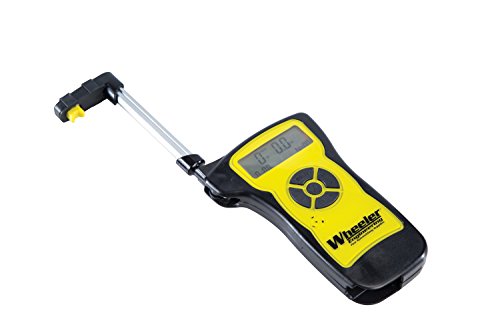
1. Wheeler Professional Digital Trigger Pull Gauge
Measuring trigger pull weight can be tedious without a reliable tool, especially when accuracy is crucial for firearm performance and safety. A digital gauge streamlines the process, offering clear, repeatable results for both new and experienced users.
The Wheeler Professional Digital Trigger Pull Gauge stands out for its user-friendly digital display and audible indicator, making it a strong choice for those who value convenience and precision. It's ideal for anyone who wants fast, accurate readings without manual guesswork.
- Digital display makes results easy to read and reduces interpretation errors
- 1 oz increments allow for fine-tuned adjustments and detailed tracking
- Measures 0–12 lbs to cover a wide range of firearms and preferences
Compared to traditional manual gauges, this model prioritizes ease of use and clarity, especially when working with multiple firearms or adjusting settings frequently. The tradeoff is reliance on batteries and electronics, which may not appeal to those who prefer fully mechanical tools.
- Clear digital screen
- Audible indicator tone
- Fine 1 oz increments
- Wide 0–12 lb range
- Direct trigger contact
- Limited lifetime warranty
- Requires batteries
- Higher cost than basic manual models
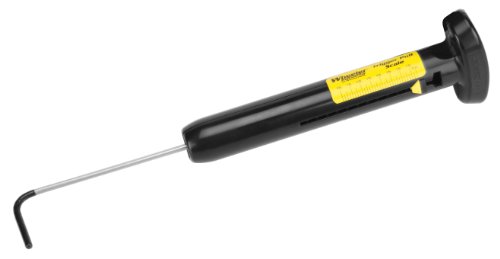
2. Wheeler Manual Trigger Pull Scale
For shooters who prefer a straightforward, no-battery approach to measuring trigger pull, a manual scale offers reliability and simplicity. This is especially useful for those who want a tool that works anytime, anywhere, without electronic components.
The Wheeler Manual Trigger Pull Scale is a dependable choice for basic gunsmithing and routine checks. Its sliding indicator is easy to read, and the ergonomic handle ensures consistent pulls. This scale is best for users who value durability and a hands-on approach.
- 2 oz increments provide sufficient detail for most adjustments
- 8 oz to 8 lb range covers common firearm types
- Ergonomic handle supports steady, repeatable measurements
Unlike digital models, this scale eliminates concerns about battery life or electronic failure. The main tradeoff is less granular measurement and no digital display, which may be less appealing for those who want maximum precision.
- No batteries needed
- Simple sliding indicator
- Durable construction
- Comfortable handle
- Wide measurement range
- No digital readout
- 2 oz resolution only
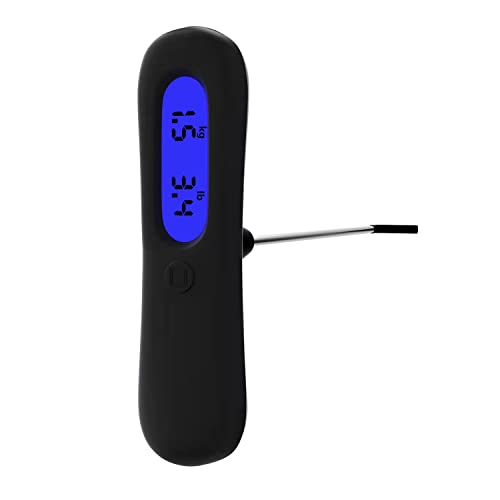
3. Aoderda Professional Digital Trigger Pull Scale
Accurately measuring trigger pull in various units is important for shooters who work with different standards or need flexibility for diverse firearms. A digital scale that supports multiple units and functions can simplify this process.
The Aoderda Professional Digital Trigger Pull Scale offers measurement in kg, lb, oz, and g, making it a versatile tool for international users or those with specific requirements. It's best for shooters who want a digital gauge with broad compatibility and extra features like peak lock and calculation modes.
- Multi-unit display (kg, lb, oz, g) adapts to any preference
- High precision sensor ensures reliable readings with minimal error
- Stainless steel + ABS build balances durability and lightweight handling
Compared to more basic digital or manual options, this model emphasizes flexibility and advanced features. The tradeoff is a more complex interface and the need to monitor battery status.
- Supports multiple units
- Peak lock and calculation modes
- Backlit LCD display
- Solid construction
- Includes desktop and clamp use
- Interface less intuitive for beginners
- Battery changes required
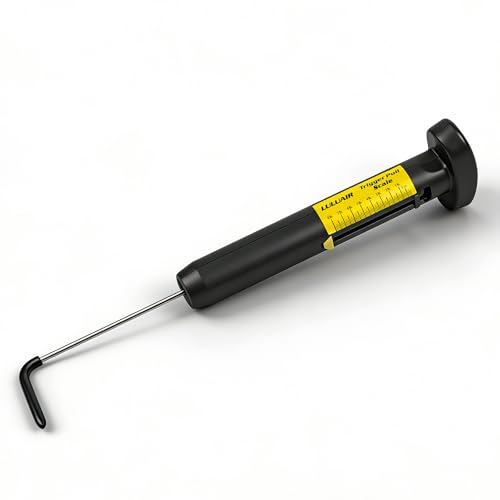
4. LULUAIR Mechanical Trigger Pull Gauge
Manual trigger pull gauges are valued for their reliability and straightforward operation, especially in demanding environments. For those who prioritize long-term durability and ergonomic use, build quality becomes a key factor.
The LULUAIR Mechanical Trigger Pull Gauge is designed with wear-resistant materials and an upgraded spring, making it suitable for frequent use. Its ergonomic design and clear markings are ideal for shooters who want a comfortable, robust tool for repeated measurements.
- Wear-resistant materials extend lifespan under regular use
- Smooth sliding indicator provides clear, accurate readings
- Ergonomic handle reduces fatigue during multiple tests
This model stands out for its ruggedness compared to lighter or less robust manual gauges. The main tradeoff is that it may be bulkier than ultra-compact alternatives.
- Sturdy construction
- Upgraded spring for stability
- Easy-to-read markings
- Comfortable grip
- Consistent measurement
- Bulkier than some manual models
- No digital features
5. Birchwood Casey Gun Trigger Scale

Compact trigger pull gauges are essential for shooters who need a portable, easy-to-carry tool for range or field use. A smaller size makes it convenient to check trigger weight on the go without sacrificing accuracy.
The Birchwood Casey Gun Trigger Scale offers a lightweight, anodized aluminum body and a rubber-dipped handle for protection. It's a great fit for users who want a simple, durable gauge that fits easily in a range bag.
- Compact design is easy to transport and store
- 1/4 lb increments provide practical accuracy for most needs
- Rubber-dipped handle protects firearms from scratches
Compared to larger or more feature-rich options, this model prioritizes portability and simplicity. The tradeoff is less fine-grained measurement and fewer advanced features.
- Lightweight and portable
- Durable aluminum body
- Scratch-resistant handle
- Works for right or left hand
- Straightforward operation
- Coarser increments
- No digital display
6. Lyman Mechanical Trigger Pull Gauge

For those who want a no-nonsense, mechanical solution to trigger pull measurement, a basic gauge with clear markings is often all that's needed. This type of tool is valued for its straightforward design and reliability.
The Lyman Mechanical Trigger Pull Gauge is a solid choice for shooters who want a simple, mechanical gauge with a T handle for easy use. It's best for users who prefer traditional tools and need a straightforward way to check trigger weight.
- 0–12 lb range accommodates most firearms
- 2 oz increments offer a balance of detail and simplicity
- Aluminum and steel build ensures long-term durability
Compared to digital or multi-function models, this gauge focuses on basic, dependable measurement. The main tradeoff is the lack of advanced features or finer resolution.
- Traditional mechanical design
- T handle for easy grip
- Durable materials
- Hanging loop for storage
- No digital readout
- Limited to basic functionality
7. Reloading Basic RD Electronic Trigger Pull Gauge

Digital trigger pull gauges can be expensive, but budget-friendly options make electronic measurement accessible to more shooters. This is especially useful for those who want digital convenience without a high price tag.
The Reloading Basic RD Electronic Trigger Pull Gauge provides essential digital features, including English/metric conversion and a broad measuring range. It's a good fit for users who want an affordable digital gauge for occasional use.
- English/metric conversion supports different measurement needs
- Measures up to 12 lbs for versatility across firearms
- Simple digital interface offers basic functionality without complexity
Compared to premium digital models, this gauge prioritizes affordability and essential features. The tradeoff is less advanced functionality and potentially lower build quality.
- Budget-friendly
- Digital readout
- Supports multiple units
- Covers wide weight range
- Basic interface
- Fewer advanced features
8. WOYISEPG Magnetic Gunsmith Leveling Kit

While not a trigger pull gauge, a leveling kit is a key accessory for gunsmiths who need to mount scopes accurately. Proper leveling ensures consistent shooting and prevents alignment issues.
The WOYISEPG Magnetic Gunsmith Leveling Kit is designed for easy, hands-free use with magnetic bases and multiple levels. It's best for users focused on scope mounting and rifle setup, rather than trigger pull measurement.
- Magnetic base allows for stable, hands-free operation
- Multiple levels support different rifle and scope configurations
- Simple, readable indicators make alignment straightforward
Compared to trigger pull gauges, this product addresses a different gunsmithing need. The tradeoff is that it does not measure trigger pull at all.
- Magnetic hands-free design
- Multiple level sizes
- Easy to use
- Versatile for different rifles
- Not a trigger pull gauge
- Limited to leveling tasks
9. LULUAIR Manual Trigger Pull Scale

Beginners or occasional shooters often need a straightforward, affordable way to measure trigger pull. An entry-level manual gauge offers a practical solution without unnecessary complexity.
The LULUAIR Manual Trigger Pull Scale is designed for easy operation and clear readings, making it a good starting point for those new to gunsmithing. It's best for users who want a basic, reliable tool for infrequent checks.
- Simple sliding indicator is easy to interpret
- 2 oz increments provide adequate detail for most needs
- Wear-resistant materials help extend product life
Compared to more advanced or digital models, this gauge prioritizes simplicity and affordability. The tradeoff is fewer features and less robust construction.
- Affordable
- Easy to use
- Clear markings
- Lightweight design
- Basic build quality
- No digital features
Buying Guide: How to Choose the Best Trigger Pull Gauge
Trigger pull gauges are specialized tools designed for measuring the force required to pull a firearm's trigger. Selecting the right gauge involves balancing accuracy, ease of use, and durability. Many buyers are unsure whether to choose manual or digital models, and often overlook the importance of measurement increments, unit compatibility, and build quality.
- Manual vs. digital gauges: Manual models offer simplicity and reliability, while digital options provide easier-to-read results and finer increments.
- Measurement increments: Finer increments (such as 1 oz) allow for more precise adjustments, but may not be necessary for all users.
- Unit flexibility: Some digital gauges support multiple units (kg, lb, oz, g), which is useful for international users or varied applications.
- Build materials: Durable materials like steel, aluminum, or reinforced plastics extend the lifespan of the tool, especially with frequent use.
- Portability: Compact designs are ideal for range bags or field use, while larger models may offer more features but less convenience.
- Scope of use: Some gauges are designed for high-capacity or industrial testing, which may be unnecessary for typical firearm owners.
- Common misunderstandings: Many buyers assume digital is always better, but manual gauges can be more reliable in harsh conditions or when batteries are unavailable.
Manual vs. Digital: Which Should You Choose?
The choice between manual and digital trigger pull gauges depends on your priorities. Manual gauges are valued for their reliability and independence from batteries, making them ideal for users who want a straightforward, always-ready tool. Digital gauges, on the other hand, offer clearer readouts and finer measurement increments, which can be helpful for those who need detailed tracking or work with multiple firearms.
- Manual gauges: Best for simplicity and ruggedness
- Digital gauges: Best for precision and convenience
Importance of Measurement Increments and Units
Measurement increments determine how finely you can adjust and monitor your trigger pull. Digital models often provide 1 oz increments, while manual models may use 2 oz or 1/4 lb steps. Multi-unit support is helpful if you work with different standards or need to share data internationally.
- Finer increments: Allow for more precise adjustments
- Multi-unit support: Useful for varied or international applications
Portability and Build Quality
If you plan to use your gauge at the range or in the field, portability and durability are key. Compact models fit easily in a bag and are less likely to be left behind. Look for robust materials and ergonomic designs if you expect frequent use or rough handling.
When to Consider Specialty or High-Capacity Gauges
Some users need gauges for industrial or high-capacity testing, far beyond standard firearm applications. These models offer advanced features and broader ranges but are often more complex and expensive. For most shooters, a standard manual or digital gauge is sufficient.
Final Buying Advice
Choosing the right trigger pull gauge comes down to your specific needs and how you plan to use the tool. Consider how often you'll use it, whether you need digital features, and how much portability matters to you.
- Match gauge type to your usage frequency
- Don't overpay for features you won't use
- Prioritize durability if you'll use the tool often
- Check measurement increments for your required precision
- Manual gauges are best for reliability; digital for convenience
FAQ For Trigger Pull Gauge
1. What is a trigger pull gauge used for?
2. Should I choose a manual or digital trigger pull gauge?
3. How accurate are trigger pull gauges?
4. Can I use a trigger pull gauge on any firearm?
5. How do I maintain my trigger pull gauge?
6. Are digital gauges better than manual ones?
7. What is the typical measurement range for trigger pull gauges?
Related Posts
- Best Beginner Soldering Iron
- Top 6 Best Pressure Washer Hose For Car Detailing
- Best Tool For Hanging Pictures: Top 9 Picks
- Top 5 Best Magnetic Welding Ground Clamp
- Best Brush To Use With Polyurethane
- Top 5 Best Spray Paint For Bikes
- Best Nail Gun For Flooring: Top 9 Picks
- Best Glue For Aluminium To Aluminium: Top 6 Picks
- Best Hand Truck Dolly: Top 9 Picks
- Top 10 Best Glue For Engineered Wood Flooring
- Best Solar Led Outdoor Flood Lights With Motion Sensor
- Best Tile Grout Sealer: Top 10 Picks
- Best Wall Anchors For Heavy Mirror: Top 7 Picks
- Best Boiled Linseed Oil For Gun Stock: Top 8 Picks
- Best Static Pressure Fans: Top 6 Picks
- Top 9 Best Sprayer For Stain
- Best Solder Fume Extractor
- Best Multimeter For Hvac Technician: Top 6 Picks
- Top 7 Best Motion Sensor Light Bulb
- Top 9 Best 3d Printer Adhesive